
Marine Cargo Insurance
Marine insurance is a specialized type of coverage that protects goods, vessels, and related transport infrastructure during transit—whether by sea, air, or land. Despite the name, it’s not limited to ocean shipping.
Marine cargo Insurance protects goods in transit—whether by sea, air, road, or rail—against physical loss or damage. It’s essential for importers, exporters, and logistics providers who want to safeguard their cargo from unpredictable risks during transportation.
This insurance is governed by standardized terms known as the Institute Cargo Clauses (ICC), developed by the International Underwriting Association of London. These clauses define the scope of coverage and are categorized into three levels: ICC (A), ICC (B), and ICC (C).
ICC (A) offers the broadest and most comprehensive form of marine cargo insurance coverage.
What is covered under ICC (A) Marine Insurance Cover
Risks Covered
ICC (A) is a Comprehensive “All Risks” Marine Cargo Insurance
This clause generally covers loss or damage caused by:
- Fire or explosion
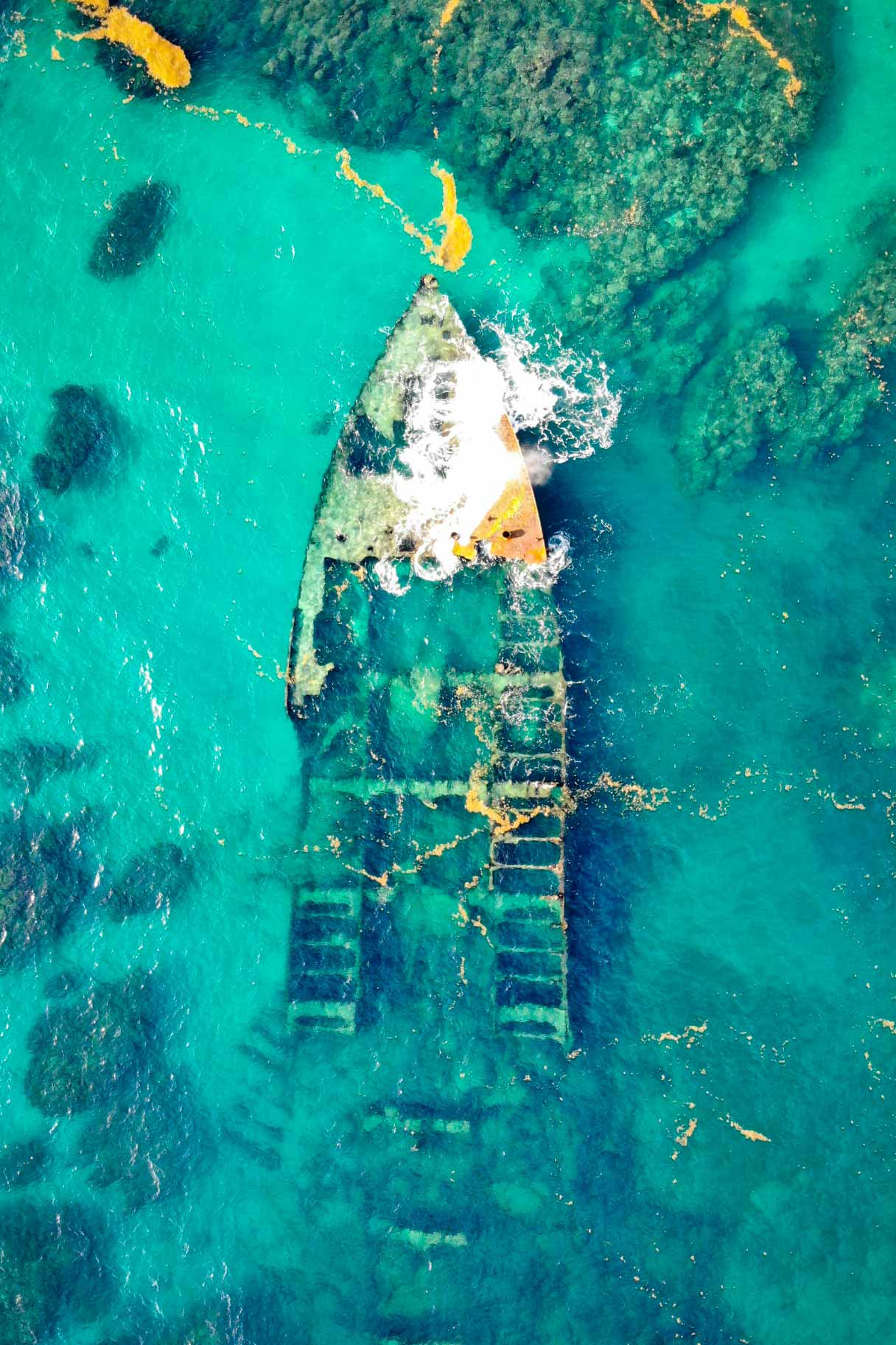
- Vessel or craft grounding, capsizing, sinking, or stranding
- Overturning or derailment of land conveyance
- Collision or contact with external objects (excluding rain water)
- Discharge of cargo at a port of distress
- Theft, pilferage, and non-delivery
- Rough handling or breakage during loading/unloading
- Water ingress (sea, lake, or river water entering the container or vessel)
- Natural disasters (earthquake, volcanic eruption, lightning)
- General average and salvage charges
- Jettison (intentional discarding of cargo to save the vessel)
- Jettison (intentional discarding of cargo to save the vessel)
- Mysterious disappearance or loss without clear cause
- Piracy and violent acts by crew or third parties
Possible Policy Extensions
- War Risks: Covers loss due to war, civil war, revolution, rebellion, or hostile acts.
- Strikes, Riots & Civil Commotions (SRCC): Covers damage from labour disturbances, riots, or civil unrest.
- Storage and Concealed Losses - damages or shortages that occur during storage or transit but aren’t immediately visible upon delivery
- Transshipment - transferring goods from one mode of transportation to another, or from one vessel to another, during their journey from origin to final destination
- Storage Extension: Extends coverage beyond the standard transit period (e.g. if goods are delayed in a warehouse).
- Contingency Insurance: Protects sellers when buyers are responsible for insurance but fail to arrange it.
- Rejection Insurance: Covers losses if goods are rejected by customs or buyers due to regulatory or quality issues.
General Exclusions Under ICC (A)
Exclusions
Despite its “all risks” label, ICC (A) generally excludes the following risks:
- Wilful misconduct by the insured
- Ordinary leakage, wear and tear, or loss in weight/volume
- Inherent vice (e.g. natural spoilage of perishable goods)
- Improper or insufficient packing (if done by the insured or their employees)
- Delay, even if caused by an insured peril
- Unseaworthiness or unfitness of vessel, if known to the insured
- Insolvency or financial default of vessel owners/operators (if foreseeable)
- Nuclear and radioactive contamination
- Cyber attacks (in some policies unless specifically included)
Did you Know?
Long before formal insurance policies existed, ancient civilizations like the Babylonians (circa 1750 BC) practiced a form of risk management through bottomry contracts. Under the Code of Hammurabi, a merchant could take a loan to fund a voyage, and if the ship was lost at sea, the loan didn’t have to be repaid. This was an early form of marine risk-sharing.
But the first formal marine insurance policy as we understand it today emerged in Genoa, Italy, in 1347. These early contracts were handwritten agreements between merchants and insurers, specifying the voyage, cargo, and premium.